
At the 2025 Annual Convention of the Association for Slavic, East European, and Eurasian Studies (ASEEES), held in Washington, D.C. from 20–23 November, members of the MEMPOP project team organized and participated in a panel within the New Yugoslav Studies Association stream. The convention theme, “Memory,” provided an ideal context for presenting current MEMPOP research on the intersections of popular culture, memory politics, and post-Yugoslav cultural production.
The panel, titled “The Impact of Popular Cultural Memory Work in Post-Yugoslav Spaces,” was chaired by Landry Noelle Krebs (UC Berkeley) and explored how contemporary popular culture functions as a site of both remembering and forgetting in a region marked by contested histories. While popular culture is frequently framed as entertainment, the panel demonstrated that music, film, and street art also shape public understandings of the past and foster new forms of cultural solidarity.

Four papers offered case studies from across the post-Yugoslav space:
- Jernej Kaluža examined mainstream rap and trap music, showing how commercial aesthetics appear to displace memory-related themes, yet still carry implicit traces of shared regional histories.
- Owen Kohl analyzed hip hop documentaries and music videos that connect audiences across Croatia, Bosnia-Herzegovina, and Serbia, illustrating how audiovisual media create or challenge transnational solidarities.
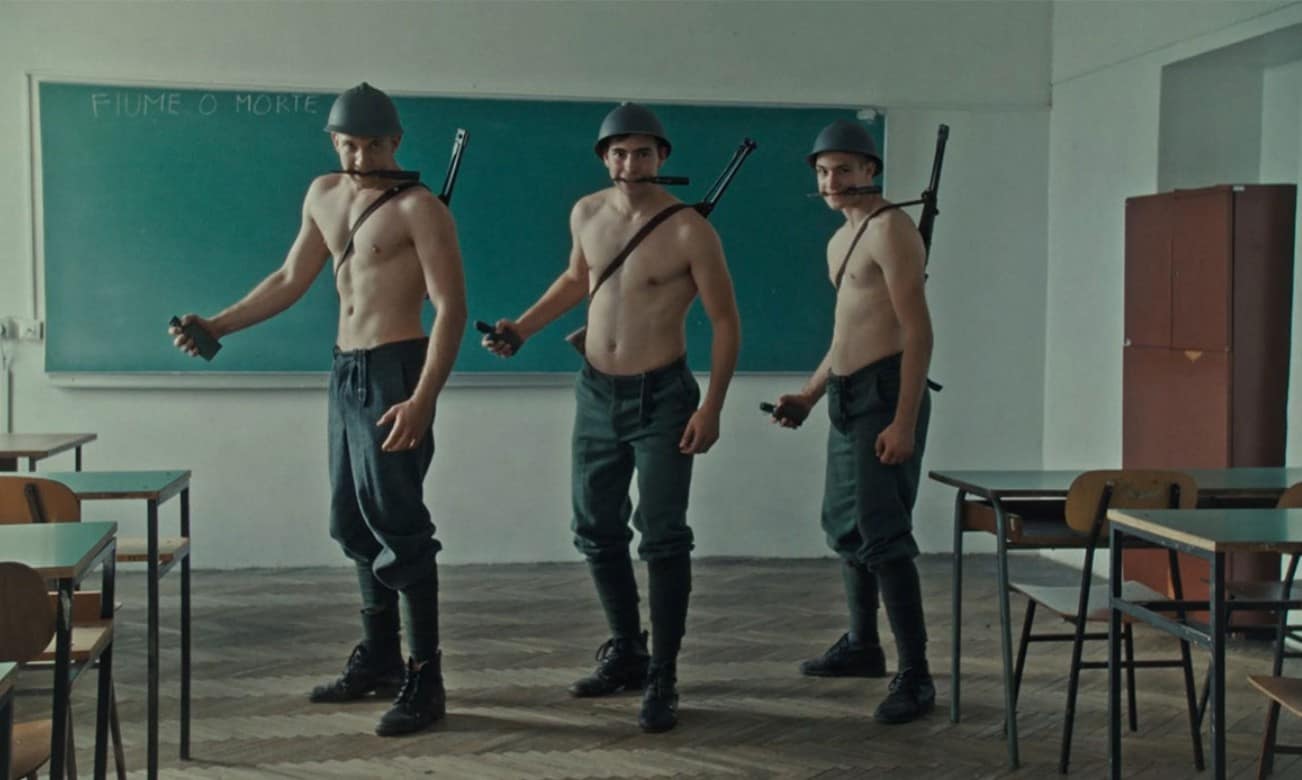
- Natalija Majsova discussed the rise of “memory films” in regional festival circuits, arguing that film festivals increasingly act as institutional memory-makers and support cinematic explorations of collective remembrance and amnesia.
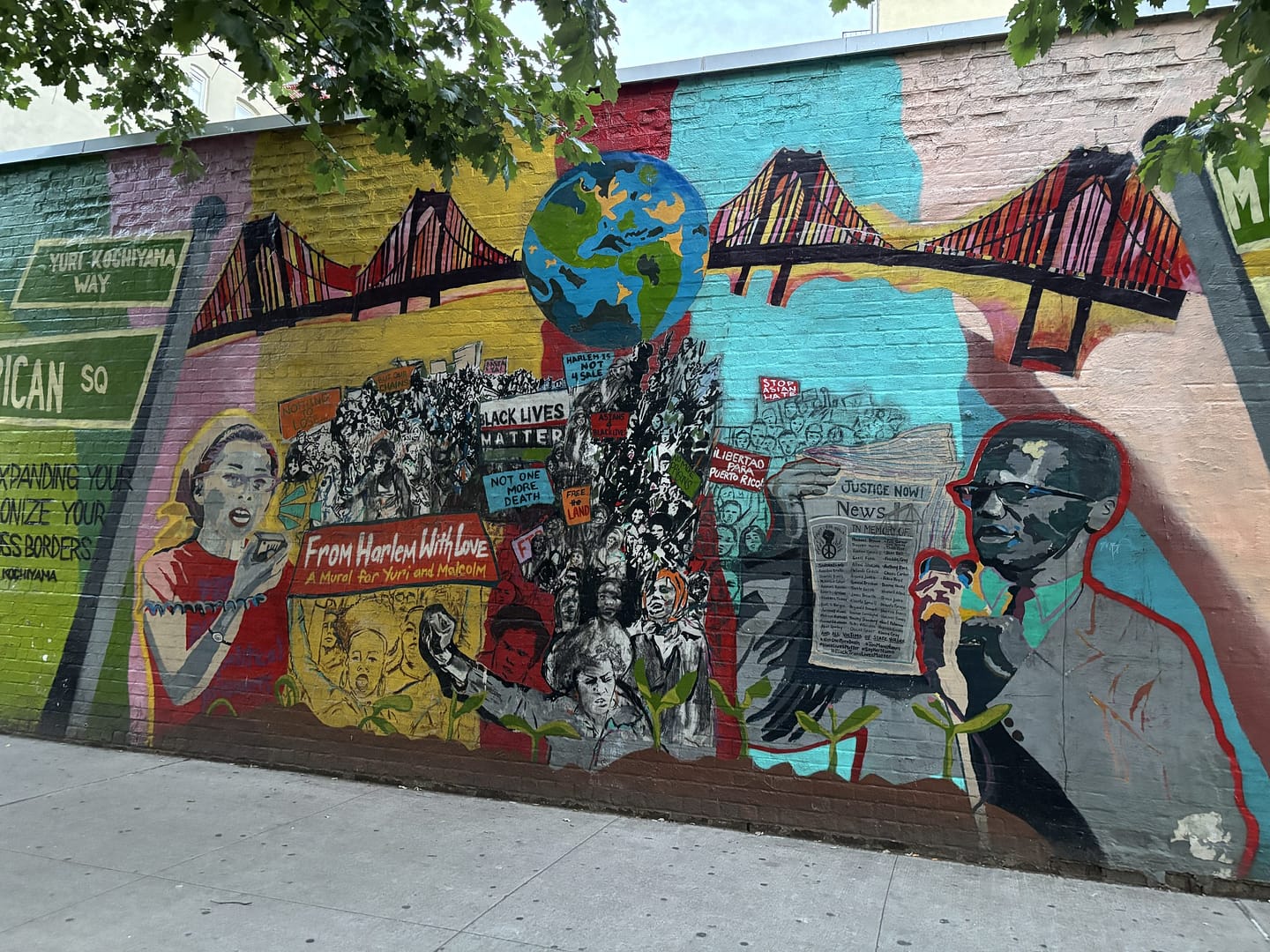
- Vjeran Pavlaković investigated commemorative street art and memory murals, noting that while many reproduce dominant national narratives, emerging counter-murals exemplify grassroots “slow memory” activism.
The panel concluded with a thoughtful and constructive discussion by Ivana Polić (Florida State University), who offered incisive comments on all four presentations and highlighted shared methodological and theoretical concerns. Her input helped situate the panel’s contributions within broader scholarly debates on cultural memory and post-conflict societies.
Together, the presentations underscored the mnemonic ambivalence of popular culture and contributed new empirical and conceptual insights to MEMPOP’s research agenda. The event also strengthened collaboration with NYSA and affirmed MEMPOP’s role in advancing contemporary discussions of cultural memory in Southeastern Europe.


Leave a Reply