

In July, Natalija Majsova, Aljoša Pužar, Teja Kosi, and Jasmina Šepetavc took part in two major international conferences in the fields of cultural and memory studies, held in Brazil and Argentina. They first attended the ACS (Association for Cultural Studies) conference Crossroads in Cultural Studies in Belo Horizonte, Brazil, from 27 to 31 July. Šepetavc and Majsova then travelled on to Buenos Aires, where they participated in the tenth MSA (Memory Studies Association) conference, held from 28 July to 1 August.
This year’s Crossroads in Cultural Studies marked an important moment for the field, as the conference was held in Latin America for the first time. Under the title Decolonising Cultural Studies: Leisure, Bodies, Performances, Territories and Universities, the conference addressed the ways in which cultural studies can move beyond established Western frameworks and make space for diverse forms of knowledge, experience, and cultural practice.

These questions were at the heart of the panel Popular Culture as a Site of Memory Work and Memory Activism, which approached memory as a living and dynamic practice—one that is continually shaped, contested, and renegotiated through popular culture. The panel featured:
- Jasmina Šepetavc, who presented Discovering Peripheral European Queer Memories through LGBTQ+ Film Festivals, examining LGBTQ+ film festivals in South-Eastern and Eastern Europe as significant sites of queer memory. Festivals operate simultaneously as screening spaces, archives, and communities. Through the circulation of forgotten films, the preservation of ephemeral materials, and curatorial practices, they keep traces of queer pasts alive while producing alternative regional genealogies.
- Natalija Majsova, who presented Post-Yugoslav Memory Work as a Decolonial Transmedia Project: Re-Imagining Yugoslavia at the Intersection of Literature, Film, and Video Games, exploring the ways in which memories of Yugoslavia are reimagined through video games. Contemporary games draw on images, narratives, music, and locations from literature, film, and other media, transforming these cultural traces into interactive worlds. The past can thus not only be viewed and narrated, but also explored, pieced together, and experienced through play.
- MEMPOP associated researcher Teja Kosi, who presented Figures We Cannot Forget: #MeToo in the Slovenian Art Scene and the Ethics of Remembering (in) the Fotopub Affair, examining the feminist ethics of remembering “great men” and their legacies in the wake of revelations of sexual and other forms of violence. Focusing on the Fotopub affair, she showed how anonymous Instagram testimonies brought to light forms of violence that had long existed as a “known secret” within artistic networks and hierarchies. Her analysis considered how #MeToo can reshape public memories of cultural figures who may simultaneously be remembered as exceptional artists and perpetrators of violence.

Aljoša Pužar, as Vice President of ACS, took part in the conference’s opening and closing ceremonies, chaired the annual ACS meeting, and chaired Adam Haupt’s plenary, What Does Decolonial Hip Hop Look Like? Cultural Studies in the Age of (Post?) Empire.

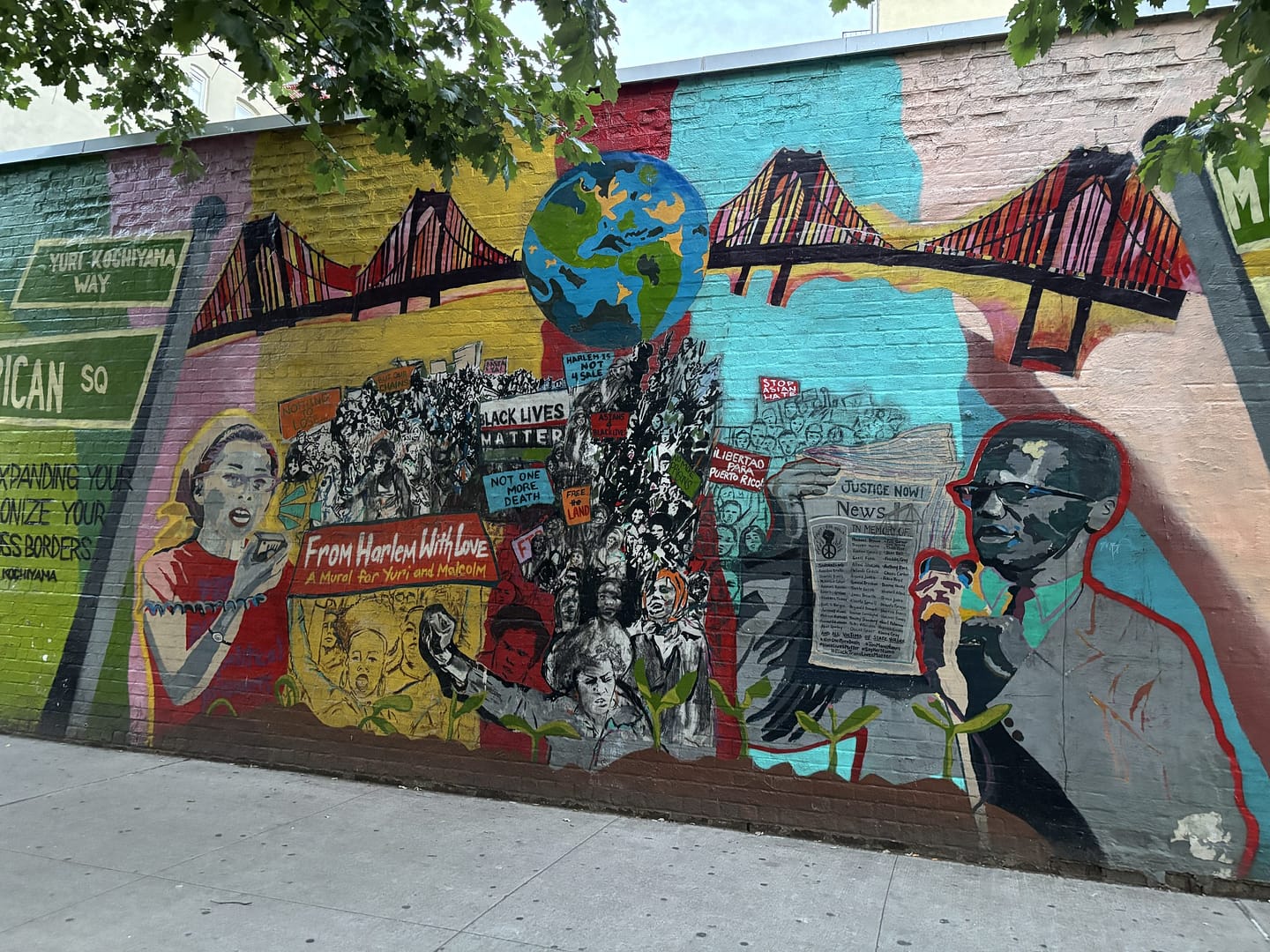
The cultural-studies team also undertook some fieldwork in Belo Horizonte, visiting sites of memory, bringing questions raised in the conference discussions into dialogue with the urban environment. The city itself became a kind of laboratory for exploring how history is inscribed in public space, which pasts are made visible, and how they are encountered in everyday life.
The journey continued in Buenos Aires, where Šepetavc and Majsova participated in the tenth Memory Studies Associatin (MSA) conference as part of the panel Memory Work as Resilience in Post-Yugoslav Popular Culture: From Imaginaries to Infrastructures. The panel centred on the question of how popular culture can, across the different media that it consists of, function as a form of cultural resistance, particularly in contexts where certain memories have been marginalised or excluded from dominant national narratives.


- Jasmina Šepetavc, in Resilient Screens: Queer Memory Activism and the Politics of Resistance in (Post-)Yugoslav Queer Film Festivals, further developed her research on queer film festivals, focusing on their potential as sites of resistance. Festivals emerge as spaces in which forgotten and marginalised histories are not only preserved, but actively brought back into public circulation.
- Natalija Majsova, with Post-Yugoslav Memory Work as a Transmedia Project: Re-Imagining Yugoslavia at the Intersection of Literature, Film, and Video Games, further developed her research into video games as spaces of memory work. Drawing together traces from different cultural forms, games position players as active participants in the reconstruction of the past: memory is no longer simply something we receive, but something we connect, reconstruct, and interpret through play.
The panel also included insightful presentations by MEMPOP friends Nikola Radić and Milica Popović, whom we are very grateful to for joining the discussion on the inter- and transmediality of collective memory.
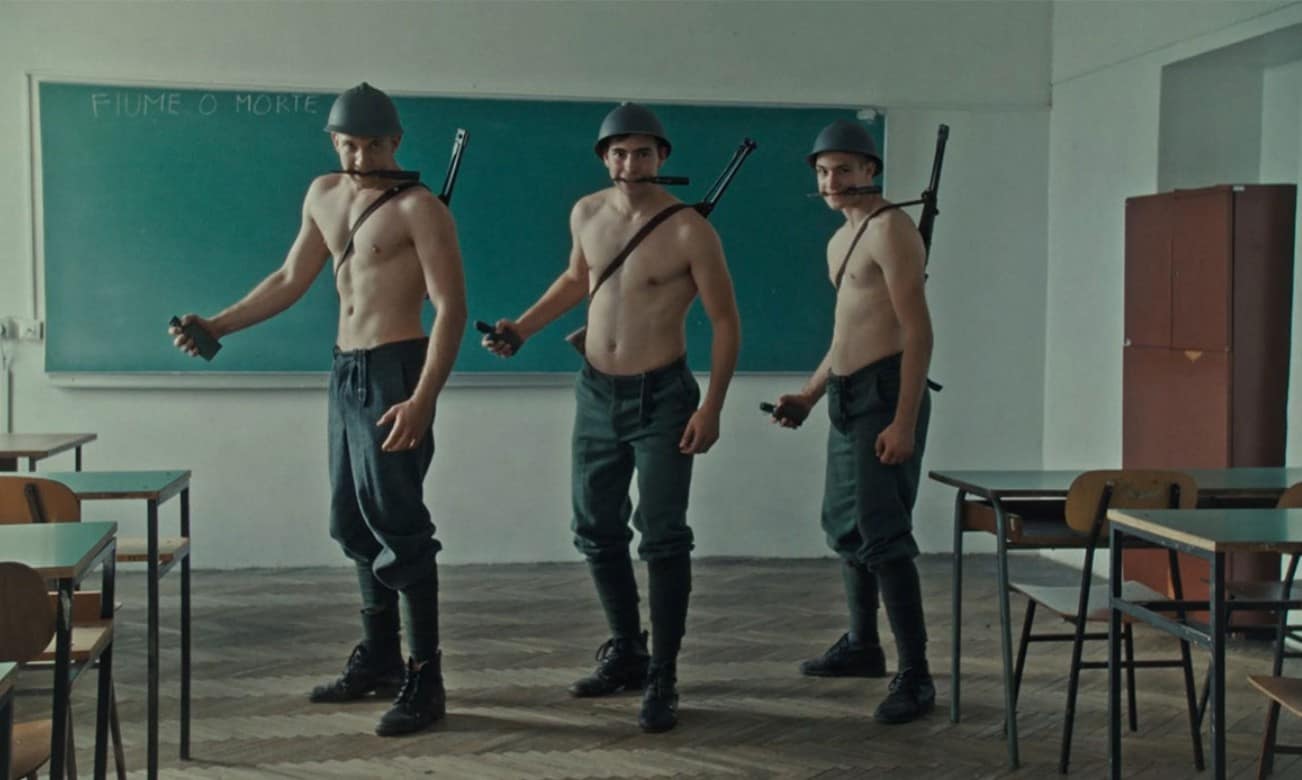
Nikola Radić’s presentation zoomed in on Ivan Marković’s film Centar (2018), a documentary exclusively comprising interior shots of an unnamed monumental building, as if suspended in time. He argued that Marković’s portrayal of Sava Centar offers both a physical illustration of this negligence and a vivid incarnation of the ideological shift from Yugoslav socialism to the present-day compound of Serbian nationalism and neoliberal capitalism.


Milica Popović’s presentation, part of her current project “The Silence of Saying No: (Un)Remembering Deserters from the Yugoslav Wars”, focused on the resilience of antiwar memories through popular literature which has particularly flourished in the last decade, looking at seven novels published across Belgrade, Sarajevo, and Zagreb, through critical discourse and content analysis. Depicting the deserters’ experiences through a variety of approaches, including one female perspective, the authors bring forward narratives which are fundamentally disruptive to implicit collective memory (Erll 2022). The paper explored the contemporary politics of exclusion, obscuring the “part of those who have no part” (Rancière 1989: 30), highlighting how literature contributes to the re-democratization of memory narratives on wars in a wider context.
From the decolonisation of cultural studies in Belo Horizonte to memory as resistance in Buenos Aires, both conferences brought the current research focus of the MEMPOP project into sharper focus: memory as a living cultural practice that is continually re-established, reshaped, and negotiated across different media. It takes shape on the screen and in video games, in festival archives and social media posts, and in the very spaces of the city. It is precisely through these practices that possibilities emerge for understanding the past differently and imagining new forms of community, belonging, and the future.


Leave a Reply